Official name of the country: Mongolia Map of Mongolia
Capital city: Ulaanbaatar, founded in 1639, over 1 mln inhabitants (2007)
Territory: 1,566,500 sq.km
Location: Northern Asia, between China and Russia (landlocked)
Land boundaries: 8.158 km, with Russia 3,485 km and with China 4,673 km
Average altitude: 1,580 m above sea-level
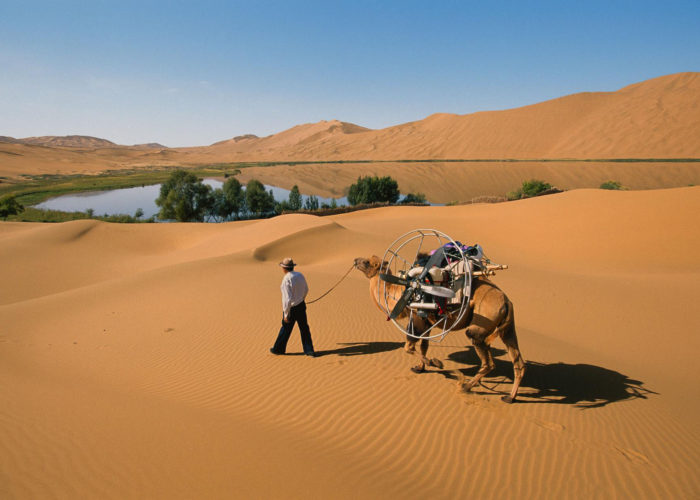
Terrain: Vast semi-desert and desert plains, mountains in west and south-west, Gobi Desert in south-east
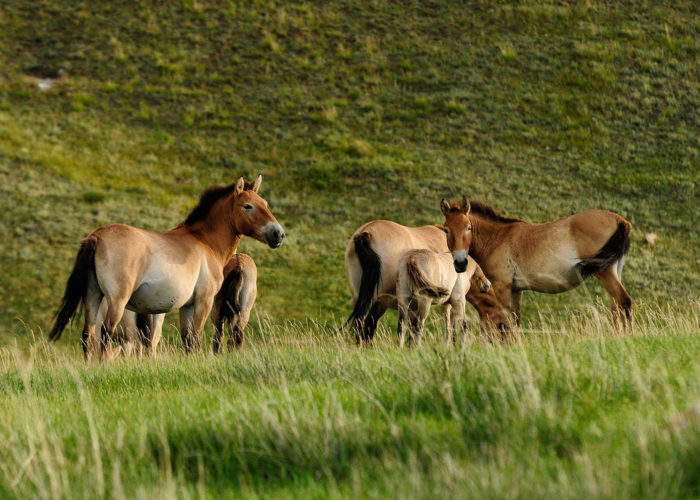
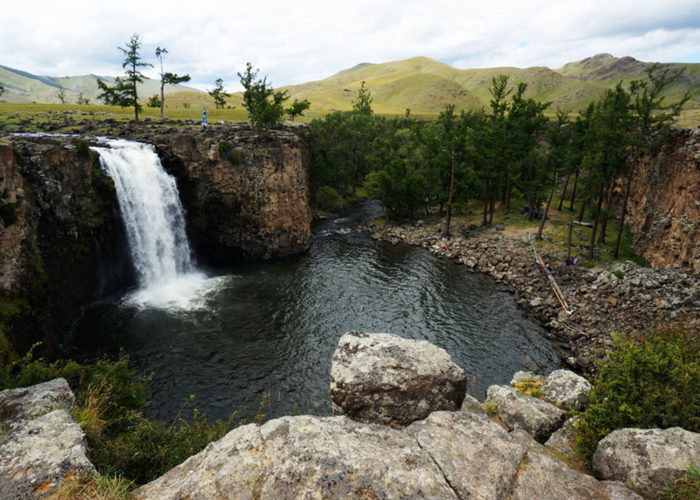
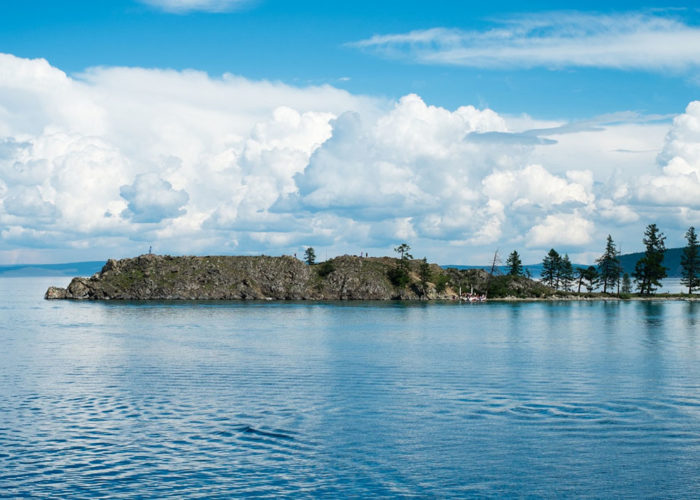
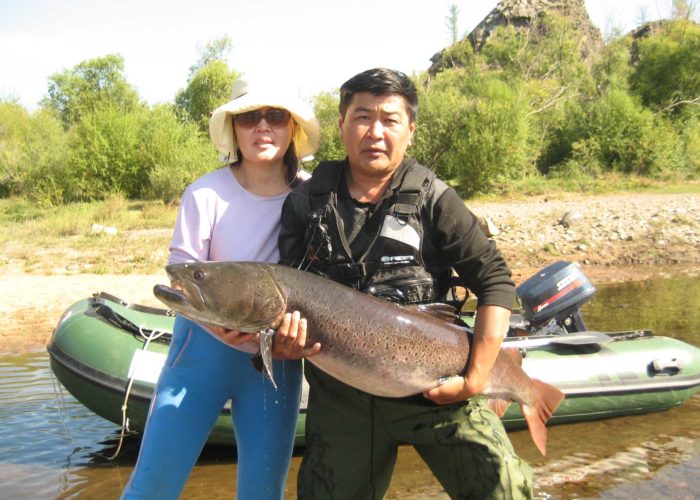
Natural resources: Mongolia has one of Asia's largest freshwater lakes - Hovsgol and river system. 75.1 percent of territory - pasture land and 8.0 percent - forest. Vegetation cover - 2260 species of vascular plants united in 596 genera and 104 families. Fauna - 127 species of mammals, 360 species of birds and 70 species of fishes.
Mineral resources: More than 6,000 occurrences of about 80 different minerals such as ferrous, non-ferrous, light and precious metals, rare metals and rare-earth elements, non-metals, fossil fuels as well as industrial and building materials
Climate: Sharp continental, marked by four seasons. Average summer temperature +17'C, average winter temperature -26'C, average rainfall 200-220 mm. The cold winter season lasts from November to late April, Spring May through June is cool and windy. Summer from July through to September with occasional rain is the best season for travel and outdoor activities. Autumn months are cool but sunny.
Population: (thous) 2382.5; Male - 1181.7, Female - 1200.8; Urban: - 1395.8, Rural - 986.7 (1999)
Language: Mongolian
Religion: Buddhism 96% and Muslim 4%
Education: Literacy rate 89.5%. Education system consists of pre-school education (kindergarten), general education (primary school 1-6, incomplete secondary school 1-8, complete secondary school 1-10), and professional education (universities). Pre-school and general education is free.
Science: Traditional sciences are animal husbandry, astrology and astronomy, traditional medicine, graphic arts, historiography, etc. Network of scientific organizations includes research institutions of the Academy of Sciences, sectoral research scientific and technological organizations, and chairs at higher educational institutes.
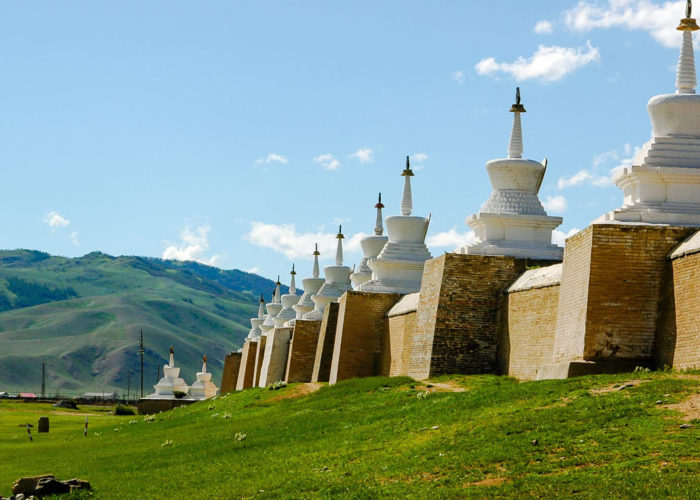
Culture: The oral tradition of folklore includes myth, fables, legends, sayings and proverbs, song lyrics and poetry, especially the epic, the poetry of praise and good wishes. The history of written literature is now known to date from the XIII century and its first creation was "Mongolyn Nuuts Tovchoo" (Secret History of the Mongols) written in 1240 and published in 1382 main theme of which is the unification of separate Mongol tribes by Chinggis Khaan under the banner of a single state. An invariable lively response is evoked in many countries around the world by Mongolian painting and handicraft, and by performance by Mongolian circus acrobats, singers and dancers.
Sports: The most popular sports since ancient times are wrestling, horse racing and archery, together forming the three manly games. Besides them there are other national games, like lassoing horses, shooting bones, Mongolian chess, etc. Nowadays free-style wrestling, judo, boxing, football, basketball, volleyball, skating, skiing, motorcycle racing, mountain climbing and others are popular.
Political system: Mongolia is a parliamentary republic.
Head of the State: President elected for four years. Present President Natsagyn Bagabandi, re-elected in 2001.
Prime Minister appointed by State Great Hural for four years. Present Prime Minister Nambaryn Enkhbayar, appointed in 2000.
Legislature: State Great Hural (Parliament), unicameral with 76 members elected for four years. The last elections were held in 2000.
Judicial system: Mongolian judicial system consists of Constitutional Court, Supreme Court, aimag and capital city courts, somon and district courts.
State structure: Mongolia is a unitary state. Territory of Mongolia is divided administratively into aimags (23) and the capital city; aimags are subdivided into somons; somons into bags; and the capital city into districts; districts into khoroos.
National currency: Togrog (Tg), Tg 1164 = US$1, (2007)
Fiscal year: January 1 - December 31
Main ports: Chingis khaan international airport in Ulaanbaatar city, Sukhbaatar (railway station on Mongolian-Russian border) and Zamyn Uud (railway station on Mongolian-Chinese border)
Air links: Moscow, Irkutsk (Russia), Berlin (Germany), Beijing, Huhhot (China), Seoul (Republic of Korea) and Tokyo & Osaka (Japan).
Rail links: Ulan-Ude, Irkutsk, Moscow (Russia) and Huhhot & Beijing (China)
Sea access: Tianjin/China (1.344 km) and Nakhodka/Russia (4.037 km)
Public holidays: December 31- January 1 - New Year; around January/February - Mongolian New Year (Tsagaan Sar), June 1 - Mother and Child day, July 11-13 - National Holiday (Naadam)
Time: Add 8 hours to Greenwich Mean Time
Working hours: - 09.00-13.00 and 14.00-18.00
Communication: Country code - 976, area code for Ulaanbaatar - 11
Electric current: 220 volts/50 HZ
Weight and measures: Metric System
|